
Cycling Coaching. Real Results. No Guesswork.
Serious coaching for riders who want clear structure, honest feedback, and performance that actually moves – not another generic plan from an app.
Proven Coaching Record:
• 19 National titles and over 50 national medals •
• 25 Provincial titles •
• 7 x National Series Overall titles •
across road, cyclocross, track and MTB.
Why Riders Trust Precision Cycling Coaching
Whether you’re chasing your first podium or racing at elite level, every training plan is built from evidence, not guesswork – TrainingPeaks, WKO5 with structured progression is used with riders who’ve gone from local races to national titles and world-level results.
Free Rider Performance Snapshot
Already training but not sure if you’re doing the right things?Fill in a short form and I’ll send you a Rider Performance Snapshot with:What type of rider you currently look like
Your #1 training focus for the next 4 weeks
One mistake to stop making straight awayNo bots, no templates – just a straight, honest view of where you are right now.
Want to know exactly where your fitness stands?
A one-off Performance Checkup Report, no-commitment deep-dive into your training and phenotype.For £79, you’ll get a clear, unbiased performance analysis and a set of actionable improvements you can use immediately — no coaching plan required.There’s zero pressure to move into coaching.
This check-up is for riders who want clarity, a professional second opinion, or a data-driven reset without committing to a monthly plan.
About Andy & How I Coach

I’m Andy Layhe – coach, lifelong rider, and founder of Precision Cycling Coaching.I’ve spent over 40 years in cycling and more than a decade coaching riders from local club level to national titles, World Cups and World Championships.I’ve been:Irish Cyclocross National Team Manager & National Coordinator (2017–2019)Coach and manager at multiple World Championships, European Championships and World CupsA former elite rider myself, with wins across road, track, cyclocross and MTBI also write performance articles for ROUVY, sharing practical training advice with riders worldwide.My coaching is simple: data turned into clear decisions.
No bots. No templates. Just honest feedback, structured plans, and weekly clarity on what matters most.

Recognised Expert performance writer for ROUVY, the global indoor-cycling platform — sharing insights on training, strategy, and real-world performance.
Train With Precision. Race With Purpose.
All enquiries answered personally within 24 hours.
No bots. No templates. Just real coaching.
Meet Andy Layhe — The Coach Behind Precision Cycling Coaching
I’m Andy — coach, lifelong rider, and founder of Precision Cycling Coaching.
For over 40 years, cycling has shaped how I think, train, and live — and now it shapes how I help riders chase meaningful, measurable progress.My job is simple: turn structure into belief, and belief into performance.
Proven Experience
Over the past decade, I’ve helped riders achieve:19 National Championships
25 Regional Titles
7 National Series Overall WinsAcross Road, Cyclocross, E-sports and Mountain Biking.These results aren’t statistics — they’re proof of trust, communication, and precision in execution.
HIGH-PERFORMANCE BACKGROUND — BOTH SIDES OF THE TAPE
Cycling performance is not theoretical to me — it’s lived experience, at elite level, as both rider and coach.National Team Leadership
Irish Cyclocross National Team Manager 2017-2019
• Irish Cyclocross National Coordinator 2017-2019
• Coached and managed riders at 4 UCI World Championships, 2 European Championships, and multiple UCI World Cups.Assisted the French National Team at two World Cups — recognition from one of the strongest systems in the world.This experience shapes everything: preparation, recon, pacing strategy, kit choices, race-day mindset, and supporting athletes under elite-level pressure.Racing Career
• Competed in 2 Cyclocross World Championships
• Winner — UK National Trophy Series (Overall)
• 4th Overall — European Cyclocross Series
• Multiple wins across Road, Track, Cyclocross, and MTB
• Northern Ireland Elite Cyclocross Champion
• UK Midlands Regional Road, Track & CX ChampionThis dual perspective — athlete and coach — is why riders trust my judgement. I understand the pressure, the process, and the performance demands from the inside out.
How I Coach
Precision isn’t a slogan — it’s the foundation of everything I do.It means:
• Data translated into clarity
• Evidence shaping every session
• Communication that keeps riders improving week after weekIt’s how consistency becomes confidence —
and confidence becomes performance.
Who I Coach
I work with riders across:Road
Cyclocross
MTB
Triathlon
E-Sports
SportivesFrom time-pressed amateurs to full time competitive racers -
every rider gets the same goal:
consistent, measurable improvement.
Let’s Start Your Progress
If you’re ready to train with intent, structure, and clarity —
and want coaching that adapts to your life, not the other way around —
click below to start the conversation.
Train with precision. Ride with purpose.
Find the Coaching Level That Matches Your Ambition
Every rider has a goal — a comeback, a breakthrough, or a podium.
Your plan should match the level of performance you want next.All plans are fully personalised, reviewed personally by me, and adjusted as life changes — no templates, no automation.
COACHING PLANS
FOUNDATION PLAN
£75 / month (includes FREE TrainingPeaks Premium)
For riders who want structure, accountability, and consistency — without the complexity.
Personalised TrainingPeaks Plan
- Updated monthly to match your goals.Power & Heart-Rate Zone Setup
- Calibrated so every session hits the correct intensity.Monthly Progress Review
- Clear insights and next steps to stay progressing.Direct Personal Email Support
- No generic replies.Flexible Month-to-Month Commitment
- Pause, change, or upgrade any time.
➜ Best for riders who want structure and clear direction on a budget.
PERFORMANCE PLAN
£125 / month (includes FREE TrainingPeaks Premium)
For riders chasing new personal bests and steady, data-driven improvement.
For riders chasing new breakthroughs, PBs, and steady, data-driven progress.
Weekly Plan Adjustments & Feedback
– Your plan evolves every week with your life.Workout File Reviews & Daily WhatsApp Check-Ins
– Fast, focused insights that keep sessions on target.Event Planning & Goal Setting
– Structure your season, races, and realistic milestones.Quarterly 30-Minute Coaching Call
– Deep-dive to reset, refine, and drive progress.Weekly Priorities & Focus Points
– Clarity every week so you always know what matters most.
➜ Ideal for riders who want real interaction, ongoing feedback, and consistent momentum.
ELITE PLAN
£175 / month (includes FREE TrainingPeaks Premium)
Full-access coaching for riders chasing peak performance, top results, and maximal precision.
For ambitious athletes who want real-time adjustments, deep analysis, and high-contact feedback.
Weekly Performance Review
– Detailed analysis of data, trends, and limiting factors.Bespoke Programming
– Fully customised plans with mid-week or real-time adjustments.Advanced Data Analysis in WKO5
– Power trends, fatigue markers, efficiency metrics.Priority WhatsApp Coaching Line (7 am – 10 pm)
– Fast access when you need guidance now.Monthly 30-Minute Coaching Call
– Strategy, troubleshooting, progression.Race Preparation & Taper Planning
– Dialled strategy for peak races.Nutrition & Strength Guidance
– Performance-focused fuelling and off-bike work.
➜ Best for serious racers and performance-driven athletes who want true one-to-one coaching.
CYCLOCROSS PLAN
£135 / month (includes FREE TrainingPeaks Premium)
For dedicated CX racers who want structure, technique, and a winning season.
Weekly CX-Specific Sessions
– Race-simulation workouts, drills, handling, running.Equipment Setup & Tyre Guidance
– Pressures, tread, setups for every surface.Race-Week Taper & Course Recon Plans
– Clear pre and post-ace structure and tapering strategy.Post-Race Data Analysis & Debrief
– Actionable power/HR review every weekend.Video Technique Analysis
– Detailed insight and video analysis on mounting, dismounting, cornering, and carrying.WhatsApp Feedback (within 24 hours)
– Fast answers + follow-up video review.
➜ Ideal for CX riders who want a season plan from a coach with national-team experience and national titles
Not Ready to Start a
Coaching Plan Yet?
Try a Performance Check-Up — a one-off,
no-commitment review.If you want expert insight into your training but you’re not ready to commit to monthly coaching, a Performance Check-Up gives you:• A clear, unbiased review of your recent training •• The key strengths holding your fitness up •• The weaknesses holding your fitness back •• 3–5 personalised action points to improve immediately •Price: £79 — one-off.
No subscription. No commitment.It’s the perfect first step if you want clarity, direction, and expert input before choosing a plan.
Not sure which plan fits you best?
Send me your goals — I’ll recommend the right plan for your time, experience, fitness, and budget.Message Me Directly
All enquiries answered personally — no bots, no templates, no automated replies.
Contact
Get clarity. Get a plan. Get moving.
Whether you need structure, performance gains, or expert eyes on your training, this is where it starts.Tell me a bit about your riding, your goals, and your current training. I’ll reply personally – usually within 24 hours – and point you towards the best next step.Your details stay private and are only used for coaching conversations with me.
Start your progress - Every Rider Begins with a Conversation
Tell Me What You’re Looking For:
Select a plan or choose General Enquiry
Your details stay private — they’ll only ever be used for coaching conversations with me.
If your goals matter to you, they matter to me. Let’s get started.
PERFORMANCE CHECK-UP
A one-off, no-commitment deep-dive into your training and phenotype.
For £79, you’ll get a clear, unbiased performance analysis and a set of actionable improvements you can use immediately — no coaching plan required.I’ll personally review your data and break down:• Your fitness markers (where you actually are right now)
• Your strengths (what you should double down on)
• Your weaknesses (what’s holding you back)
• Key opportunities for improvement (your quickest wins)No fluff. No templates. Just an honest, expert assessment shaped by decades in the sport — from everyday riders to national champions and elite athletes.There’s zero pressure to move into coaching.
This check-up is for riders who want clarity, a professional second opinion, or a data-driven reset withoutcommitting to a monthly plan.If you want structure after that, great — but this stands alone as a premium one-off evaluation.
how it works
1. Fill in the short form here.
Tell me who you are, what you ride, and where your training data lives.2. I reply personally within 24 hours.
No bots. No automation. Straight from me.3. I request temporary read-only access to your training data or I preferably add you to my Training Peaks Coaching Account.
TrainingPeaks is preferred, but Strava, Garmin or Wahoo also work.4. I analyse the sessions that matter.
Not your entire history — just the training that gives the clearest picture.5. You receive your personalised Performance Check-Up.
A sharp, high-impact review with 3–5 targeted actions to improve immediately.
The Cost
£79 — one-off payment.
No subscription.
No commitment.If you decide to move into coaching later, great —
but this service stands fully on its own.
All reviews are handled personally and kept fully confidential.
Trusted by riders from first-time racers to national champions and World Cup athletes.
Want ongoing structure after this?
If you enjoy the clarity of your Performance Check-Up, you can explore coaching options —
but there’s no pressure and no commitment required.
Rider Stories & Results
Real riders. Real progress. Real results.
Behind every result is a rider who is committed to doing the work.Over the years I’ve coached cyclists from local club level through to national titles, World Cups and World Tour programmes. Some still train with me; others have taken what they learned into professional teams.What links them isn’t talent or luck – it’s precision: structured training, hard work on their part, honest feedback, and a belief that progress is earned, not guessed.These are some of their stories – real riders, real progress, real results.
coaching results at a glance
19 Irish National Championship titles56 National Championship medals in total7 National Series Overall Wins25 Provincial titles46 Provincial Championship medals in totalMultiple wins across Road, Cyclocross, Track, MTB and E-SportsRiders progressing to World Tour, World Cups and World and European Championships
The riders...
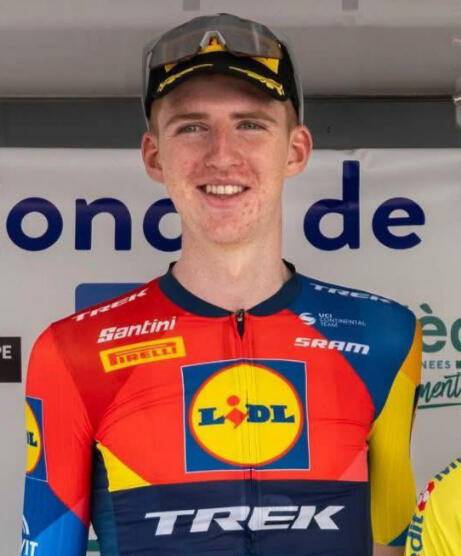
Liam O'Brien
Lidl-Trek World Tour Rider
Results
National Road Race Champion
National Cyclocross Champion
2nd Overall Junior Tour of Wales
" Working with Andy over my youth and junior years with a key focus on both road and cyclocross allowed me to take a big step in my development, winning both national titles in cyclocross and road along with progressing into an international rider.Andy’s wealth of knowledge allows riders to progress technically, physically and mentally. Good communication and investment from a coach is crucial for me and something I never lacked when working with Andy. "
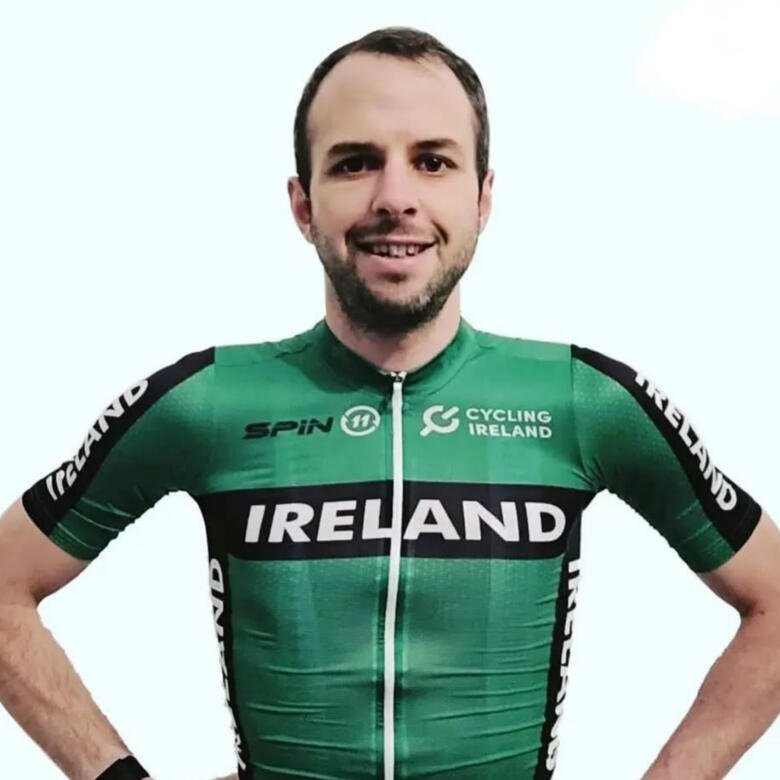
Richie Barry
NeXT eSport p/b Enshored
St. Finbarrs Cycling Club &
Team Ireland Paralympic Pilot
Results
2x e-Sports Irish National Champion
3 x Regional Champion
3 x World Championship appearances
Winner of National Series Cyclocross Rd 1
" Since working with Andy in 2019, I've gone from strength to strength each year. Both my peak performance and my consistency of performance have improved greatly.I would not have achieved the results in recent seasons without his dedicated coaching and knowledge of cycling performance. If you want to achieve your goals in cycling, I would highly recommend Precision Cycling Coaching. "
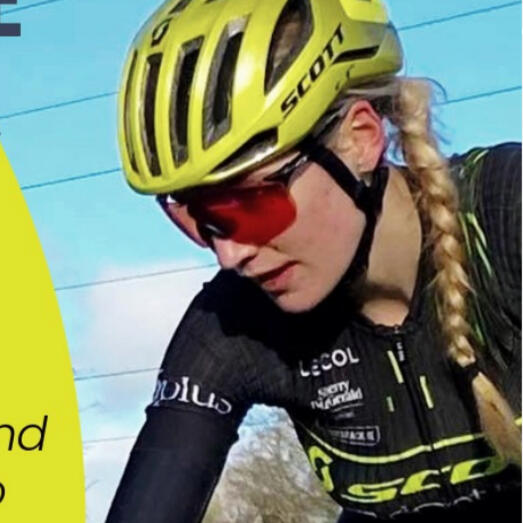
Stephanie Roche
Results
National Series Overall Winner
2nd Elite National Cyclocross Championships.
Multiple cyclocross victories
" I've worked with Andy for several years, and he's an exceptional coach. His deep understanding of my needs and ability to tailor training plans to my evolving lifestyle have driven huge improvements in my performance.His personalised approach ensures I peak at exactly the right moments, and with his expert guidance, I have no doubt that any rider can reach their full potential. "
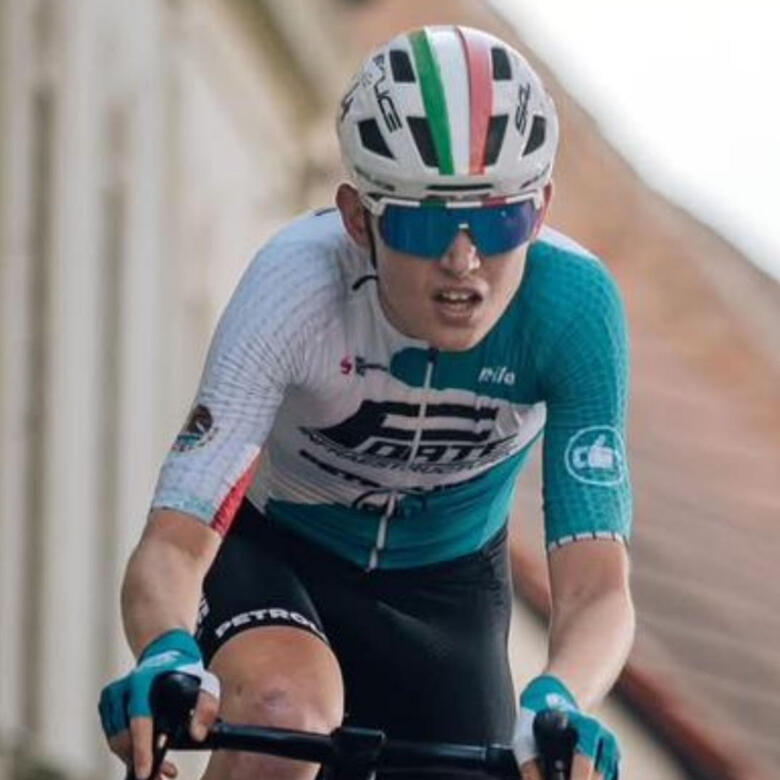
Killian O'Brien
UCI Professional
Results
National Road Series Overall Winner
1st Junior Hill Climb National Champion
1st Elite Hill Climb National Champion
1st Gp Madonna delle Grazie, Itaky)
1st La Due Giorni dell'Aglianico del Vulture - 1
3rd Overall Junior Tour of Wales
3rd National Junior Road Race Championships
" I worked with Andy for 4 years from youth through to Under 23 and I have nothing but positive things to say. I have progressed from not being competitive on the national scene to being able to fight for wins internationally. His style of coaching is extremely personal and tailored to the rider, his depth of knowledge is immense.Andy happily answers any questions I have in detail which is great for riders like me who like to know the reasoning behind their training sessions. "
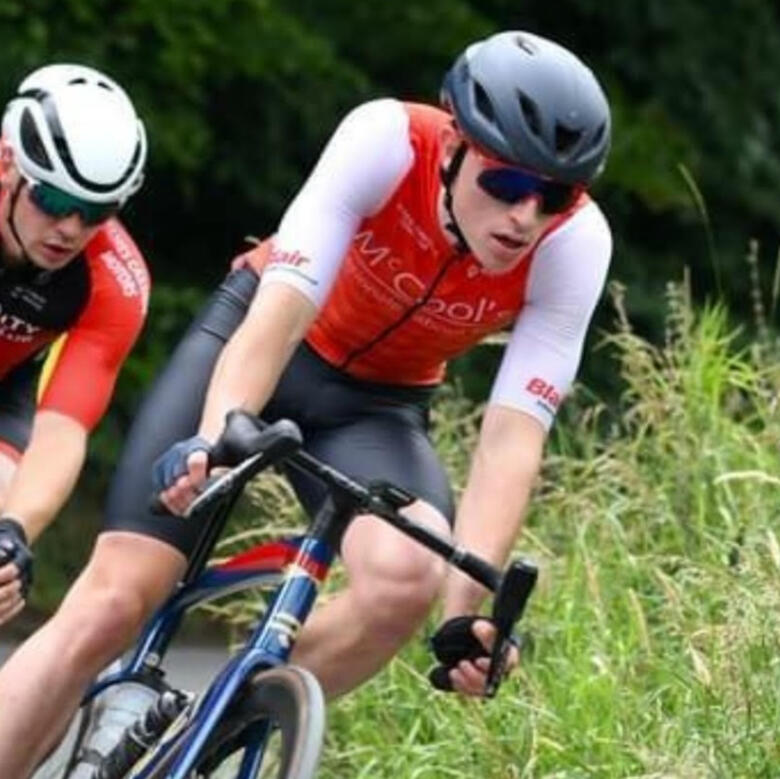
Jamie Moss
" Andy started coaching me two years ago and I immediately started improving.By the end of the year I had progressed from Cat 3 to Cat 1, this wouldn’t have been possible without Andy’s knowledge of cycling and training. "
ready to write your own story?
If you’re serious about improving — whether that’s your first national podium or simply getting back to your best — we’ll build a plan around your life, your goals, and your numbers. No guesswork. No copy-paste plans.
Free Rider Performance Snapshot
Based on my years of riding and coaching experience, you receive a clear, honest view of where you are right now as a rider – without committing to a full coaching plan.If you’re already training but not sure if you’re doing the right things, this is a quick and effective way to get a coach’s eye on your riding.
What you’ll get
Fill in the form below, and I’ll send you a short, no-nonsense snapshot that tells you:1. What type of rider you currently look like.2. Your #1 training focus for the next 4 weeks.3. One mistake to stop making straight away.4. Tips and ideas to help you improve right away.No fluff, no generic advice – just a simple breakdown you can actually use.
Who is This For?
This is ideal if you:Already train a few times per week.Feel a bit stuck, inconsistent, or unsure if your current approach is right.Are curious about coaching, but want to see a clearer picture of yourself as a rider before committing.Prefer straight, honest feedback rather than vague encouragement.
How it works
1. Fill in the form below
It usually takes around 5-10 minutes.
The more accurate you are, the better I can help you.2. I review your answers personally
I’ll look at your goals, weekly hours, strengths, weaknesses, and any power/HR data or ride links you share.3. You get your Rider Performance Snapshot by email within 2 or 3 days
A short, clear breakdown with:• Your rider profile in plain English• What to focus on for the next month• One thing to stop doing that’s holding you back
What I’ll ask you for
To keep this useful (and genuinely personalised), the form will ask about:• Your riding background and main discipline (road, CX, etc.)• Your goals for the next 6–12 months• Typical weekly training hours and structure• What frustrates you most right now• Your perceived strengths and weaknesses on the bike• Optional performance data – FTP, key power numbers, threshold HR – if you know them• An optional link or screenshot of a recent ride or race file (Strava / TrainingPeaks)If you don’t know your numbers yet, that’s fine – you can skip those fields.
What happens After You Receive Your snapshot
After you receive your snapshot, you’ll have three options:• Do nothing – take the advice and crack on yourself• Tidy things up with a deeper one-off review via my Precision Performance Check-Up or:• Move to a full coaching plan of your choice if you want ongoing structure and feedbackThere’s no pressure and no automated sales funnel. If I think a Check-Up or coaching plan would genuinely help, I’ll say so – and if I don’t, I’ll say that too.
A quick note on privacy
Everything you share stays between you and me.
You won’t be added to a mailing list or hit with spam – you’ll just get your Rider Performance Snapshot and, if it makes sense, a suggestion on what the next step could be.
FREE 20-PAGE CYCLING PERFORMANCE GUIDE
12 Hidden Mistakes That Cost Cyclists Performance
And How to Fix Them
Clear, honest coaching insights on training, racing, tactics and the small details that'll help you improve.
You may not need more fitness.
You may need to stop wasting the fitness you already have.
Get the guide
Discover the pacing, fuelling, positioning and training mistakes that quietly cost riders speed, energy and results.
Coach’s Notes
Clear, honest coaching insights on training, racing, tactics and the small details that help cyclists improve.
Why am I strong in training but weak in races?Why good numbers don’t always become good race performances, and what riders often miss.Read article →
Youth racing: why cadence is kingWhy young riders need more than strength when the race gets fast.Read article →
Why cyclists need to fuel the work, not fear the foodWhy under-eating can limit performance, recovery and long-term rider development.Read article →
Why am I strong In training but weak in races?
By Andrew Layhe • 3 June 2026
7 min read
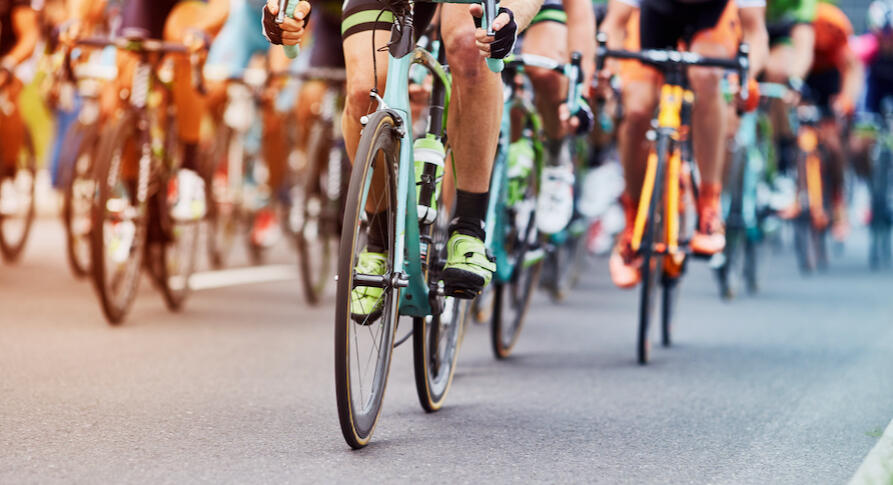
It’s one of the most frustrating things in cycling. You train well, hit good numbers, feel strong on club rides, maybe even look like one of the better riders in the group, then you pin a number on and suddenly everything feels harder than it should.I’ve seen this loads over the years. Riders who look excellent in training arrive at a race and almost shrink into it, and their overall results never seem to reflect their training sensations. In races, they sit too far back, hesitate, react late, get unsettled by the weather, the course, the wind, or who else has turned up.Then afterwards they say something like, “I just didn’t have the legs.”Sometimes that’s true. Sometimes the legs weren’t there. But very often the legs are only part of the story.The bigger issue is that racing asks awkward questions that training never asks. It asks for intent, positioning, confidence, decision-making, resilience and the ability to stay calm when everything gets uncomfortable. Training builds the engine, but racing exposes how well you use it.TL;DR
If you’re strong in training but weak in races, the problem often isn’t simply fitness. Racing demands positioning, confidence, race craft, fuelling, specificity and the ability to make good decisions under pressure. Before chasing more watts, look honestly at how you race, whether your training matches the event, and whether you’re turning up with clear intent.Training fitness and racing performance aren’t the same thing
A hard training session is controlled. You know the route, the effort, the target and roughly when the pain is coming. Even if the session is brutal, it has shape and structure, you know what’s ahead. Racing doesn’t work like that.A race is messy. The pace changes constantly, riders move unpredictably, corners stretch the bunch, gaps open, attacks go at awkward times and the hardest moments often arrive when you’re least ready for them. That’s why a rider can be physically strong but still struggle to show it when the race becomes chaotic.This is where a lot of riders misread the problem. They finish poorly and immediately decide they need more fitness. More threshold work. More VO2 max. More suffering on a Tuesday night until the turbo is sitting in a puddle of regret. And yes, sometimes fitness is the limiter. But often the issue is that they’re not applying their fitness well enough inside the race.Fitness gives you the engine. Race craft decides how quickly you empty the tank.Have you actually trained for the race you’re doing?
There’s another obvious question riders sometimes skip: have you trained for the actual demands of the race?A rider might be flying in steady training but then struggle in a race full of short climbs, repeated accelerations, tight corners or crosswinds. That doesn’t mean they’re unfit. It may simply mean their training hasn’t matched the event.If the race is hilly, you need to prepare for climbing under pressure. If it’s flat and exposed, you need to handle speed, wind and positioning. If it’s cyclocross, you need repeated hard efforts, running, remounts, cornering and the ability to recover while still riding hard. If it’s a road race with constant surges, long steady efforts alone won’t fully prepare you.This is where specificity matters. Fitness is general, but racing is specific. Train for the race you’re actually doing, not the race you’d prefer it to be.Some riders don’t race with enough intent
This is where I’ll be fairly blunt. Some riders train hard, but when they get to a race, they don’t really race. They participate. They get round. They finish 40th, feel pleased they survived, and maybe that’s fine if that was genuinely the goal.Not everyone is trying to win, and not everyone needs to be. Cycling should still be enjoyable, otherwise what’s the point? But if you want to perform well, you can’t turn up hoping the race somehow works out for you. You need to arrive with intent.That doesn’t mean arrogance. It doesn’t mean pretending you’re going to ride everyone off your wheel like a budget version of Mathieu van der Poel. It means you start with a clear objective. You want to compete. You want to beat riders. You want to make good decisions, fight for position and influence your own race rather than let the race happen around you.The riders who perform well usually have that edge. They may not say it out loud, because cyclists are often strangely shy about admitting they want to win, but it’s there. They’re alert. They’re engaged. They’re not waiting for permission.If you start a race already half-accepting that you’ll probably just hang on, you’ve given away a lot before the flag has even dropped.Some riders lose before they’ve pinned the number on
Another thing I’ve seen many times is riders ruling themselves out before the race starts. The course is too hilly. The weather is awful. There’s a headwind. There are crosswinds. It’s raining. The roads are narrow. The field looks strong. Someone they rate has turned up.I’ve seen riders arrive at a race, look at the start sheet, spot two names they rate, and you can almost see them lower their own expectations before they’ve even warmed up. Nobody has attacked. Nobody has turned a pedal in anger. Nothing has actually happened yet, but in their own head they’ve already moved themselves down the result sheet.That’s a dangerous habit. Respect good riders, absolutely. Learn from them, watch what they do, understand why they’re good. But don’t hand them your result before the race starts. They still have to pedal. They still have to suffer. They still have to corner, eat, respond, make decisions and deal with the same wind, rain and chaos as everyone else.The best attitude is simple: respect everyone, fear no one.If someone is better on the day, fair enough. That’s sport. But make them prove it.Conditions don’t need your permission
By the time some riders roll to the line, they’ve already built a tidy little case for why the day won’t go well.That mindset is dangerous because it feels reasonable. Of course, conditions matter. Course profiles matter. Wind matters. Rain matters. But if you let every unfavourable detail become a reason to perform badly, you’ll always find one. Cycling is far too generous with excuses.You don’t have to love riding in the rain, but you do have to stop letting it affect you so much. You don’t have to enjoy crosswinds, but you need to learn how to handle them and accept them. You don’t have to be a natural climber, but you still need a plan when the road goes up.Great racers absorb the negatives better. They don’t waste much emotional energy wishing the race was different. They accept what’s in front of them and get on with solving it.That’s a huge part of racing.Positioning is often the invisible difference
A lot of strong riders waste huge amounts of energy simply because they’re in the wrong place. They sit too far back, react late, close gaps after every corner and spend the race dealing with problems that could have been avoided with better positioning.This is one of the biggest differences between riders who race well and riders who only train well. Good positioning doesn’t look dramatic, but it changes everything. A rider sitting comfortably in the front third can see the race developing, choose wheels, avoid repeated accelerations and respond before things become desperate.A rider sitting too far back experiences a completely different race. Every corner stretches more. Every acceleration bites harder. Every small split becomes a chase. It’s not that they’re always less fit. They’re just spending their fitness badly.I’ve watched riders spend months chasing FTP when the real problem was that they were starting every climb in 30th wheel. By the time the pressure came on, they weren’t racing the climb, they were racing all the mistakes they’d made before it.Surges are brutally expensive
One of the quickest ways to turn good legs into bad legs is the panic surge.
A gap opens. Someone attacks. The bunch stretches. Instead of responding calmly, a rider sprints across as if the entire race is vanishing up the road. They close the gap, but they go far deeper than needed. Then it happens again. And again.After a while, they’re not getting dropped because they lack fitness. They’re getting dropped because they’ve been taking money out of the bank all day and wondering why the account is empty towards the end of the race.Experienced riders still respond, but they do it with more control. They move earlier, close gaps smoother, use the draft, have more patience, pick better wheels and avoid turning every small problem into a full-blown crisis.That calmness doesn’t happen by accident. It comes from racing enough, watching enough and learning that not every uncomfortable moment is an emergency.Fuelling can feel like poor fitness
This one is boring, which is probably why a lot of riders get it wrong.
Poor fuelling often feels exactly like poor fitness later in races. Heavy legs, poor concentration, bad decisions, no snap when the pace lifts, that awful feeling that someone has quietly unplugged you.Before blaming your training, look at what you actually did before and during the race. Did you eat properly beforehand? Did you eat properly the day before? Did you drink enough? Did you take on carbs during the race, or did you carry food around in your pocket waiting for a small emergency?A good fuelling plan won’t fix poor positioning or a weak mindset, but it can stop you wasting the fitness you’ve already built. That alone can make a big difference.What you can do about it
The first thing is to stop writing every poor race off as “bad legs”.After your next event, review it honestly.
Where did it start going wrong?
What happened in the ten minutes before that?
Were you too far back?
Did you miss food?
Did you panic when the pace lifted?
Had you already decided the course didn’t suit you?Then ask another question: did your training actually match the race? If the event had repeated climbs, did you train repeated climbing efforts?If it was cyclocross, did you train the repeated accelerations, skills and recoveries that the race actually demands?Before your next race, ask yourself:
• Have I trained for the terrain and demands of the race?
• Do I know where I need to position myself?
• What’s my fuelling plan before and during the race?
• What’s my first 10-minute objective?
• Which negative thought am I likely to have, and how will I deal with it?
• Am I already giving too much respect to someone else before the race has even started?Then set a clear objective. Not a vague thought like “ride well”, because that means almost nothing.Choose something specific.
Stay in the front third for the first half.
Eat before you feel hungry.
Move up before the climb.
Don’t panic-sprint across gaps. Commit fully through the first ten minutes.
Race with intent.You also need to practise being uncomfortable without becoming negative.If it rains, race. If it’s windy, race. If the field looks strong, race. If the course doesn’t suit you, race anyway. You don’t always need perfect conditions to perform well and you’ll be surprised how you can adapt over time. In fact, most good results come from handling imperfect conditions better than other riders.
The goal isn’t to pretend everything is perfect. It’s to stop handing away performance before the race has asked anything serious of you.Coach’s note
When I’ve raced in good shape and I know I can win, I want to win. That might sound selfish, but racing is competitive. You’re there to beat people, not politely admire them from three bike lengths back.That doesn’t mean every rider has to think like a world champion, and it doesn’t mean every race has to be life or death. But if you want to perform well, you need some level of intent. You need to want it. You need to turn up prepared to compete, not just prepared to suffer.Over the years, I’ve seen riders with good fitness underperform because they lacked that edge. They trained like racers but thought like passengers. Once that changes, performance often changes with it.If you’re strong in training but weak in races, don’t just ask whether you need more fitness. Ask whether you’re actually racing like someone who wants the result.Key takeaways
• Being strong in training doesn’t automatically mean you’ll race well.
• You need to train for the specific demands of the race, not just build general fitness.
• Racing demands intent, confidence, positioning and decision-making.
• Some riders lose performance before the race starts by focusing on weather, course, rivals or excuses.
• Good riders deserve respect, but they don’t deserve your confidence.
• Panic surges, poor fuelling and weak race intent can all make good legs disappear quickly.
Want help finding what’s really holding you back?
About the authorAndrew Layhe is a cycling coach with over 40 years of racing experience across road, cyclocross and mountain biking. He is the founder of Precision Cycling Coaching and writes the Coach's Notebook series to help riders train smarter and race better.
Want help making your training feel more consistent?Precision Cycling Coaching helps riders understand their training, fuelling, recovery and performance habits so they can stop guessing and start improving.If you want coaching that looks beyond the numbers, please get in touch.
Youth racing: why cadence is king
By Andrew Layhe • 3 June 2026
7 min read
Youth racing isn’t just about who’s strongest. Quite often, it’s about who can turn the gear properly when the race gets fast.I’ve seen this loads over the years. A young rider looks comfortable while the pace is steady, sitting nicely in the bunch, moving well, doing nothing obviously wrong. Then the speed lifts, the restricted gear starts to run out, and suddenly the whole picture changes. The legs start spinning faster, the shoulders tighten, the hips start bouncing, the hands grip the bars a bit too hard, and the wheel in front begins to drift away.That doesn’t always mean the rider isn’t fit enough. It doesn’t always mean they lack effort either. Sometimes they’ve simply run out of cadence skill.That’s why cadence matters so much in youth racing. But this isn’t only about spinning quickly. It’s about development, race intelligence, efficiency, control and building riders properly from the start.TL;DR
Youth gearing doesn’t just restrict young riders, it teaches them. When the race gets fast, restricted gears expose whether a rider can pedal smoothly at high cadence without bouncing, tensing up or wasting energy.Parents and riders shouldn’t see cadence as something to survive until junior racing. The ability to spin well carries through a rider’s whole career, helping with acceleration, bunch riding, late-race fatigue and long-term durability.The goal isn’t just faster legs. It’s better riders.Restricted gears reveal skill
Youth gearing rules are often seen as a limitation. Riders can find them frustrating, parents can see them as something their child has to get through, and everyone looks forward to the day when bigger gears become available. That’s understandable, but it misses a valuable point.Restricted gearing forces riders to learn something that many older riders only discover much later: speed doesn’t come from strength alone. It comes from coordination, rhythm, timing and the ability to keep the bike moving efficiently when the race changes shape.At low speeds, most riders can look tidy enough. The cadence is comfortable, the bunch is settled and nobody is under too much pressure. But when the pace rises to 30 mph and above, the same gear suddenly demands a much higher cadence. That’s when the differences appear.One rider stays smooth. The legs move quickly, but the body remains quiet. The bike continues to roll forward cleanly. Another rider starts bouncing in the saddle, rocking through the hips and fighting the bike like it owes them money. They may still be strong, but the effort has become messy.And messy is expensive.Once the upper body tightens and the rider loses rhythm, energy starts leaking everywhere. That’s why a young rider doesn’t just need a good engine. They need to learn how to use that engine cleanly.What the numbers show
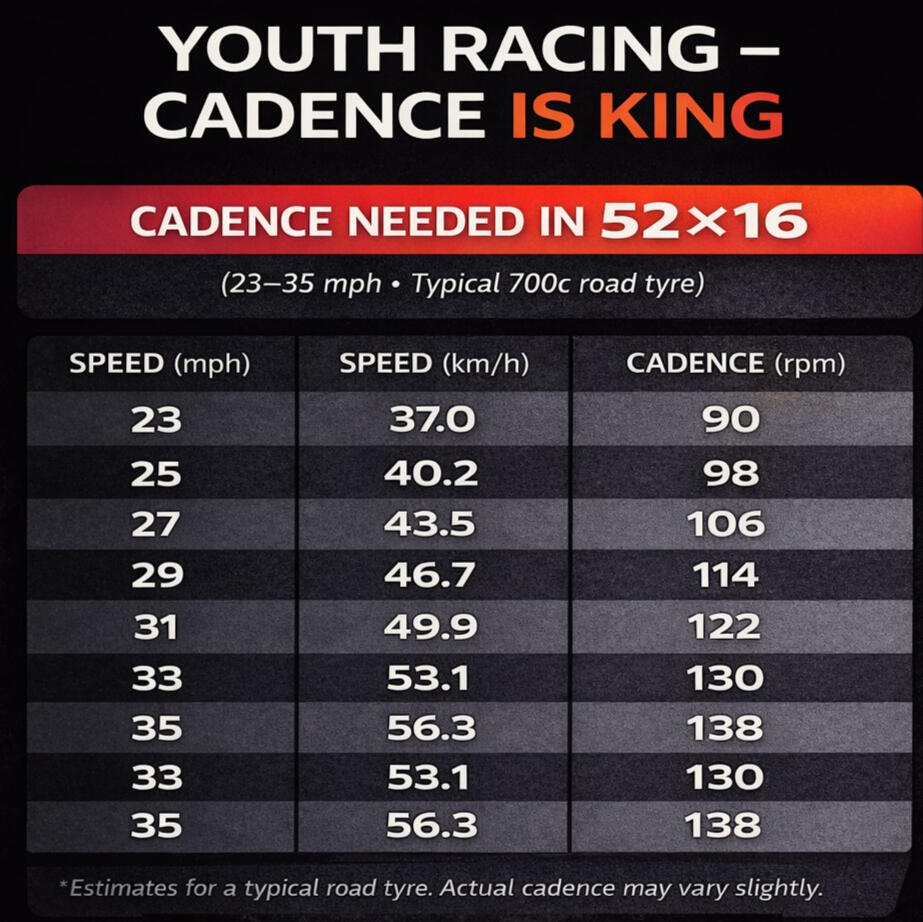
Take a 52×16 gear as an example, using a typical 700c road tyre.At around 23 mph, a rider needs roughly 90 rpm. That’s lively but manageable for most trained riders. At around 27 mph, that rises to roughly 106 rpm, where control starts to matter more. At around 31 mph, it’s about 122 rpm, which is no longer just “pedalling a bit quicker”. It’s a proper skill.By the time you’re looking at around 35 mph, cadence is somewhere near 138 rpm. At that point, any weakness in technique gets exposed quickly. If the rider hasn’t developed the ability to spin smoothly, the body usually starts joining in. Hips bounce, shoulders lift, breathing becomes rushed and the whole thing looks less like cycling and more like someone trying to escape a wasp.That’s why the chart matters. It shows that restricted gearing doesn’t just change what gear a rider uses. It changes what the rider must be able to do physically and technically when the race is fast.Cadence isn't just leg speed
This is where the message needs to be clear, especially for parents and young riders.Telling a rider to “spin faster” isn’t enough. Fast cadence without control isn’t a skill. It’s just panic with pedals.Good cadence should look calm. The legs may be moving quickly, but the body should stay quiet. The hips should remain stable, the shoulders should stay relaxed and the hands shouldn’t be locked onto the bars as if the rider is hanging off a cliff.A simple coaching cue is: fast legs, quiet body.That’s what parents and coaches should look for. Not just the number on the head unit, but the quality of the movement. Can the rider increase cadence without bouncing? Can they stay relaxed when the speed lifts? Can they accelerate without stamping? Can they hold the wheel without turning every surge into a full-body argument?That’s where proper development starts.Parents shouldn’t rush the bigger gears
Parents have a big influence on how young riders understand progress. That’s why this subject matters beyond the rider.It’s easy to think youth gearing is just a temporary rule. Once the rider moves up to juniors, the restrictions are usually removed or become less of a factor, bigger gears arrive, and it’s tempting to think the problem disappears.Except it doesn’t really disappear. It just changes shape.A rider who learns to spin well in the youth categories carries that skill forward. They’ll accelerate more smoothly, respond to attacks better, sit in fast-moving bunches with less panic, and waste less energy when the speed changes. They’ll still be able to use bigger gears when the time comes, but they won’t be dependent on them.That’s the key.If a young rider skips the cadence learning and simply waits for bigger gears, they can become one-dimensional. They may look strong for a while, especially in short efforts or on flatter roads, but they often rely too much on force. They grind, they muscle the bike, and they confuse looking powerful with being efficient.Cycling tends to expose that eventually. It’s a patient sport, but it doesn’t miss much.So parents should praise the skill, not just the result. Praise the smooth pedalling. Praise the relaxed upper body. Praise the rider who stays calm when the bunch speeds up. Praise the rider who learns to accelerate cleanly rather than just smashing the pedals and hoping physics is feeling generous.Bigger gears can come later. The foundation needs to come first.Cadence gives riders more tactical options
This is where cadence becomes bigger than technique. It becomes race intelligence.Bike races are rarely smooth. They surge, stall, stretch, split and restart. A rider hesitates, someone attacks, a corner strings the bunch out, a small gap opens, or the pace lifts into a headwind. That’s racing. It’s not always neat, and youth racing can be especially chaotic because riders are still learning how to read the race as well as ride it.A rider with good cadence has more ways to respond. They can lift speed quickly without immediately changing gear. They can close a small gap before it becomes expensive. They can jump out of a corner without stalling the bike. They can sit in a fast bunch without fighting the pedals every time the pace changes.That matters.A rider who only feels comfortable at one cadence is limited. They might feel brilliant at 85 rpm, but if the race demands 110 rpm, they’re suddenly outside their comfort zone. Equally, a rider who can only spin lightly but has no ability to apply force when needed is also limited.The aim is not to turn every rider into a permanent high-cadence sewing machine. The aim is to build range. A good rider can move between cadences depending on the situation. They can spin fast when the speed lifts, ride more forcefully when the terrain requires it, and choose the right tool at the right moment.That’s not just fitness. That’s education.Why it still matters after youth racing
When riders move into junior racing, the gearing changes, but the value of cadence doesn’t disappear. In fact, riders who have learned to spin well often have a real advantage because they aren’t completely dependent on big gears.This matters all the way through a rider’s career. As riders get older, cadence can become even more important. Bigger gears create more muscular load. That doesn’t make them bad, but it does mean they need to be used intelligently.A rider who only knows how to grind may fatigue more quickly in long races, especially late on when the legs are already carrying damage. They may also place more strain through the knees, hips and lower back, particularly if their strength, mobility or bike position doesn’t support that style of riding.Being able to spin well gives the body another option. It allows a rider to shift some of the demand away from pure muscular force and towards rhythm, aerobic control and efficiency. That can help in fast bunches, rolling terrain, headwinds, long events and those late-race moments when the legs are still attached but have clearly started discussing a transfer request.Cadence is not just a youth skill. It’s a career skill.What riders can do about it
The good news is that cadence can be trained without making it complicated. It doesn’t need endless drills or a full scientific intervention. It just needs regular, focused practice done well.A good starting point is 10 to 15 minutes of cadence work, two or three times per week. That’s enough to make a real difference over time, especially if the rider focuses on control rather than chasing the highest number on the screen.1. Short fast-cadence efforts
Ride 6 × 30 seconds where the aim is to lift cadence while keeping the upper body quiet.These aren’t all-out sprints. They’re skill efforts. If the rider starts bouncing badly, the cadence is too high for their current level of control.2. Controlled spin blocks
Ride 3 × 3 minutes at 100 to 110 rpm during endurance rides.Focus on relaxed breathing, stable hips and light hands. The rider should feel challenged, but not chaotic.3. Acceleration drills
From a steady speed, increase pace by lifting cadence before changing gear.This teaches riders to accelerate smoothly rather than immediately stamping on the pedals. That’s a useful skill in real racing, especially when closing gaps, exiting corners or responding to small changes in speed.4. Watch the quality, not just the number
Parents and coaches can help by watching the quality of movement. Look for quiet shoulders, stable hips, relaxed hands and a smooth pedal stroke.The rider should look fast, not frantic. There’s a difference. One usually develops into speed. The other just looks like a lot of admin.Coach’s note
One thing I notice with young riders is that cadence often gets treated as a small detail, when it’s actually one of the foundations. Everyone can see the rider who wins, attacks or sprints well, but fewer people notice the rider who saves energy every lap because they pedal smoothly, accelerate cleanly and don’t fight the bike every time the pace changes.That’s the sort of skill that compounds. It might not look spectacular at first, but over months and years it changes the rider. They become calmer, smoother and more adaptable. And once they move into junior and senior racing, that matters far more than people realise.The funny thing is, the restricted gear that feels annoying at the time may be one of the best teachers they’ll ever have.Key takeaways
• Youth racing isn’t just about strength. Restricted gears reveal cadence, control and efficiency.• Fast cadence only helps if it’s smooth. The goal is fast legs with a quiet upper body.• Parents should praise skill development, not just results or bigger gears.• Cadence range matters. Good riders can spin quickly, ride forcefully and choose the right cadence for the race situation.• The ability to spin well carries into junior, senior and masters racing because it gives riders more options and reduces unnecessary muscular load.Want help building this properly?
Precision Cycling Coaching works with riders who want to understand what’s really holding them back, not just train harder and hope for the best.For youth riders, that means building the foundations properly: cadence control, race craft, confidence, positioning, pacing and structured training that develops the rider, not just the numbers.For parents, it means having a clearer idea of what to encourage, what to watch for and how to support progress without rushing the process.If you’re a rider or parent and want help building a smarter, more complete cyclist, get in touch.Because the goal isn’t just to ride harder. It’s to build the rider properly.
About the authorAndrew Layhe is a cycling coach with over 40 years of racing experience across road, cyclocross and mountain biking. He is the founder of Precision Cycling Coaching and writes the Coach's Notebook series to help riders train smarter and race better.
Want help making your training feel more consistent?Precision Cycling Coaching helps riders understand their training, fuelling, recovery and performance habits so they can stop guessing and start improving.If you want coaching that looks beyond the numbers, please get in touch.
Why cyclists need to fuel the work, not fear the food.
By Andrew Layhe • 2 June 2026
5 min read
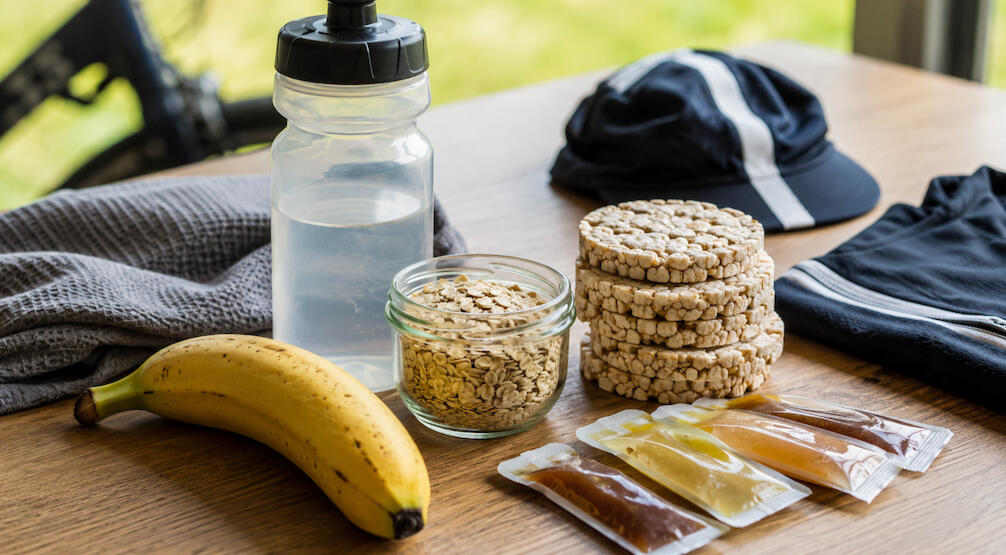
Most cyclists don’t underperform because they’re lazy. They underperform because they’ve accidentally gone out under-fuelled, under-prepared and hoping a coffee will do the work of breakfast.It’s one of the simplest mistakes in cycling, and one of the most common.You ride well for the first hour, then the legs start to go flat. Your concentration drops. Small climbs feel bigger than they should. You start blaming your fitness, your bike, your week at work, or the mysterious curse of “bad legs”.Sometimes, yes, you’re tired. Sometimes the training load is too high. But quite often, the problem is much less dramatic.You didn’t eat enough.Fuelling isn’t just for elite riders, racers or people with matching bottles and a suspicious amount of aero kit. It’s basic ride management. If you want to train well, ride strongly and recover properly, you need to give your body something to work with.TL;DR
For short easy rides under an hour, you may not need much more than normal food and water. For harder or longer rides, eat a carbohydrate-based meal 2 to 3 hours before, then start fuelling early during the ride. A simple guide is around 30g of carbohydrate per hour for rides over 60 to 90 minutes, 30 to 60g per hour for longer steady rides, and 60 to 90g per hour for hard or long rides once your stomach is used to it. Don’t wait until you feel empty. By then, you’re already chasing the problem.I used to underestimate nutrition too
I’ll be honest: nutrition has only become a major focus for me relatively recently, certainly compared with how long I’ve been riding.Years ago, especially back in the 80s and 90s, we just didn’t think about fuelling in the same way. You went out, rode hard, maybe stopped at a café, had a bit of cake or a piece of toast, and carried on. That was cycling.Nobody was talking much about grams of carbohydrate per hour, fuelling strategy, glycogen stores or recovery nutrition. The information existed in places, but for ordinary riders it wasn’t widely understood or properly applied.Looking back now, it’s obvious how much we neglected it.I often wonder how many performances were limited not by fitness, toughness or form, but by what I didn’t eat. Not just during the ride either. Sometimes the damage was probably done the day before, or even across several days of poor fuelling.That’s why nutrition has become so important to me as a coach. I’ve experienced both sides of it: years of riding and racing without giving fuelling enough respect, and now seeing how much better riders can train, race and recover when they get the basics right.Call it learning. Call it development. Call it being slightly late to a very useful party.But I’d now put nutrition right alongside the training itself. You can have the best session in the world written down, but if the rider turns up under-fuelled, tired and running on yesterday’s poor choices, the session won’t deliver what it should.Fuelling doesn’t replace training. But it allows the training to work.Why cyclists need fuel in the first place
Cycling uses energy. That sounds obvious, but plenty of riders behave as if the body runs on character, caffeine and stubbornness.For easy rides, your body can use a mix of fat and carbohydrate. The harder you ride, the more you rely on carbohydrate. That’s why fuelling matters more when the ride is long, hard, hilly, fast, or full of repeated efforts.Carbohydrate is stored in the body as glycogen, mainly in your muscles and liver. Those stores are useful, but they’re not unlimited. Once they start running low, your power can drop, your mood can dip, your focus can go and your ride can unravel quite quickly.That classic cycling feeling where everything suddenly becomes awful has a name: bonking. It’s not heroic. It’s just poor planning with better branding.What should you eat before a ride?
The best pre-ride meal is boring in the best possible way.You want food that gives you energy, digests well and doesn’t start a civil war in your stomach halfway up a climb.For most longer or harder rides, aim to eat a proper meal around 2 to 3 hours before you start. Keep it mainly carbohydrate-based, with a little protein if you want, and avoid making it too heavy.Good options include:• Porridge with banana or honey
• Toast or bagels with jam, honey or peanut butter
• Rice or pasta with a simple sauce
• Cereal and milk or yoghurt
• Potatoes with eggs or lean protein
• A banana and yoghurt if you need something lighterThe goal isn’t to feel stuffed. The goal is to start the ride topped up, comfortable and ready.If you’re riding early and can’t face a full breakfast, go smaller. A banana, slice of toast, cereal bar or small bowl of cereal is better than heading out empty and pretending you’re “training fat metabolism” when really you just forgot to eat.What should you avoid before a ride?
Before a hard ride, don’t get clever.Avoid big, greasy meals. Avoid food that’s very high in fibre if your stomach doesn’t tolerate it well. Avoid trying something new before an important ride, race or event.That giant fry-up might be emotionally supportive, but it’s not always performance-enhancing.The same goes for suddenly testing a new energy product, pre-workout drink or heroic homemade flapjack on the morning of a big ride. Training rides are for testing. Event day is for using what already works.Do you need to eat during every ride?
No. This is where riders can overcomplicate things.For an easy ride under about 60 minutes, you may not need any food during the ride, especially if you’ve eaten normally beforehand. Water may be enough.But once the ride gets longer, harder or more intense, fuelling becomes more important. You’re not eating because you’re weak. You’re eating because you want to keep riding properly.A simple starting guide looks like this:• Easy ride under 60 minutes: usually water is enough
• 60 to 90 minutes steady or hard: aim for around 30g carbohydrate per hour
• 90 minutes to 2.5 hours: aim for around 30 to 60g carbohydrate per hour
• Long or hard rides over 2.5 hours: aim for around 60 to 90g carbohydrate per hour if you’ve practised itThe key phrase is if you’ve practised it.You don’t jump from eating half a banana on a three-hour ride to taking 90g per hour overnight. Your stomach needs training too.What does 30g of carbohydrate actually look like?
This is where it becomes useful.Riders often hear “30g of carbs” and immediately lose interest because it sounds like homework. In practice, it’s simple.Roughly 30g of carbohydrate is about:• One large banana
• One energy gel
• One 500ml bottle of sports drink, depending on mix strength
• One small jam sandwich
• A couple of fig rolls
• A small energy bar
• A few handfuls of jelly sweetsYou don’t need perfect maths. You need a plan that’s close enough to keep you fuelled.For example, if you’re doing a two-hour hard ride and want around 30 to 45g per hour, you might take:• One bottle with carbohydrate drink
• One banana
• One gel or barThat’s not complicated. It’s just better than leaving the house with one bottle of water and blind faith.Start eating before you feel bad
This is one of the biggest takeaways.Don’t wait until you feel hungry. Don’t wait until your legs go flat. Don’t wait until you’ve already started riding badly.Start early.For longer rides, begin fuelling within the first 30 minutes, then keep feeding little and often. A small amount every 20 to 30 minutes is usually better than ignoring it for two hours and then panic-eating three gels at the side of the road like a raccoon in Lycra.The aim is to prevent the dip, not rescue yourself after it happens.Match the fuel to the ride
Not every ride needs the same fuelling.A gentle recovery spin is different from a hard chain gang. A café ride is different from a race. A short endurance ride is different from four hours in the hills.Use this simple rule:The longer or harder the ride, the more deliberate your fuelling needs to be.For short easy rides, keep it simple. For long rides, bring enough food. For hard rides, don’t be afraid of carbohydrate. For races or intense sessions, practise the exact fuelling you plan to use.Where riders go wrong is treating every ride the same. They under-fuel the hard ones, overthink the easy ones, and then wonder why their training feels inconsistent.Simple fuelling examples
Here are a few practical examples you can actually use.For a 60-minute easy spin
Water is probably fine if you’ve eaten normally.For a 90-minute steady ride
Have a normal meal beforehand. Take water and one small carbohydrate source, such as a banana, gel, bar or sports drink.For a two-hour hard ride
Eat a carbohydrate-based meal 2 to 3 hours before. Take two bottles if needed, with one containing carbohydrate drink. Bring a bar or gel. Start fuelling in the first 30 minutes.For a three-hour endurance ride
Eat properly beforehand. Take enough food for roughly 30 to 60g carbohydrate per hour. That might mean sports drink, bars, bananas, rice cakes, fig rolls, gels or sandwiches. Eat regularly from early in the ride.For a race or very hard group ride
Don’t start hungry. Don’t rely on eating only when things calm down, because they may not calm down. Use carbohydrate drink, gels or easy-to-open food. Practise this in training first.Don’t confuse weight loss with performance fuelling
This is important.Some riders under-fuel because they’re trying to lose weight. That can be understandable, but it often backfires.If you under-fuel hard training, the session quality drops. You may feel flat, recover poorly, crave more food later, sleep worse and lose consistency. That’s not smart weight management. That’s making training harder and less effective.If body composition is a goal, deal with it across the whole week. Don’t sabotage your key rides by starving the work that’s supposed to make you fitter.Fuel the training that matters. Be sensible with the rest of the day.That’s a much better approach than riding badly on purpose and calling it discipline.Fuel for the work you’re doing
This is where some riders, especially performance-focused riders, can get nervous.Traditionally, a lot of cyclists have been cautious around food. Some riders worry about gaining weight, bulking up, or losing that feeling of being light on the bike. I understand that. Power-to-weight matters, especially in climbing and racing. But there’s a big difference between eating intelligently and simply not eating enough.At the end of the day, the body still needs fuel. You wouldn’t expect a car to run properly with no petrol in the tank, yet cyclists often expect their legs to produce good power with very little energy going in.The answer isn’t to eat everything in sight. It’s to match your food to your training.On harder training days, longer rides, races or interval sessions, you need enough carbohydrate to support the work. That might mean a proper carbohydrate-based meal before the ride, fuel during the session, and a sensible recovery meal afterwards with carbohydrate and protein.On easier days or rest days, you may not need as much carbohydrate. That doesn’t mean starving yourself. It might simply mean focusing more on protein, vegetables, fibre, healthy fats and overall food quality, while reducing the amount of high-carbohydrate food because the training demand is lower.That’s the balance.Fuel the hard work properly. Eat sensibly around easier days. Don’t turn every meal into a performance crisis, but don’t under-fuel the sessions that are supposed to make you fitter.Good nutrition isn’t about eating more all the time. It’s about eating appropriately for the day, the ride and the rider.Hydration still matters
Food isn’t the only part of fuelling.If you’re riding for longer, riding hard, or riding in warm weather, fluid matters too. Dehydration can affect how you feel, how you perform and how well you tolerate food.You don’t need to turn every ride into a chemistry experiment, but you do need to drink. In cooler weather, plain water may be enough for shorter rides. In warmer conditions, longer rides or sweaty indoor sessions, electrolytes can help, especially if you’re losing a lot of salt.A good practical check is simple: if you come back from a ride with full bottles, a dry mouth and a headache, your hydration plan probably wasn’t a plan.Train your stomach as well as your legs
This is a detail many riders miss.Your gut adapts. If you rarely eat on the bike, then suddenly try to fuel heavily during a sportive, race or long event, you may feel bloated, sick or uncomfortable.So practise.Start with smaller amounts and build gradually. Try different foods. Learn what opens easily, what sits well, what tastes good after two hours, and what turns into pocket cement in the rain.Good fuelling is partly physiology and partly logistics. Can you reach it? Can you open it? Can you chew it while breathing hard? Does it make you feel better or worse?That matters more than the label on the wrapper.Common fuelling mistakes cyclists make
Most fuelling problems are not complicated. They’re usually one of these:• Starting a long or hard ride under-fed
• Eating too late
• Taking food but not actually eating it
• Trying new food on event day
• Using only water for hard rides over 90 minutes
• Forgetting that indoor sessions can need fuel too
• Chasing weight loss during key training rides
• Drinking too little
• Eating a huge meal too close to the start
• Assuming bad legs are always a fitness problemThe annoying thing is that most of these are easy to fix. Which is good news, unless you enjoy suffering unnecessarily.A simple plan for your next ride
Here’s the practical bit.Before your next ride, ask three questions:How long am I riding?
Under an hour, 90 minutes, two hours, or longer?How hard will it be?
Easy endurance, steady, intervals, group ride, race, hills?What will I eat and when?
Not vague nonsense like “I’ll take something”. Decide before you leave.For example:“I’m riding two hours with efforts. I’ll eat porridge two hours before, take one carb bottle, one gel and one bar, and start fuelling after 25 minutes.”That’s a plan.Not perfect. Not elite. Just useful.Coach’s note
A lot of cyclists are much tougher than they need to be. They’ll suffer through a horrible ride, grind themselves into the road, come home shattered and call it character-building.Sometimes that’s true. But sometimes they were just under-fuelled.There’s no prize for doing a hard session badly because you didn’t eat. If the session matters, fuel it. If the ride is long, plan it. If you keep fading after 90 minutes, don’t immediately blame your fitness. Look at your bottles, your pockets and what you ate before you left.The best riders don’t just train hard. They manage the basics well.Fuelling is one of those basics.Key takeaways
• Short easy rides under an hour may only need water if you’ve eaten normally.
• Longer or harder rides need a proper fuelling plan.
• Eat a carbohydrate-based meal 2 to 3 hours before important rides.
• Start fuelling early, usually within the first 30 minutes on longer rides.
• For many rides over 60 to 90 minutes, 30 to 60g carbohydrate per hour is a sensible range.
• For longer or harder rides, 60 to 90g per hour can work well, but practise it gradually.
• Fuel harder training days properly, then eat more sensibly around easier or rest days.
• Don’t confuse under-fuelling with discipline.
• Don’t blame fitness until you’ve checked whether you actually ate enough.
About the authorAndrew Layhe is a cycling coach with over 40 years of racing experience across road, cyclocross and mountain biking. He is the founder of Precision Cycling Coaching and writes the Coach's Notebook series to help riders train smarter and race better.
Want help making your training feel more consistent?Precision Cycling Coaching helps riders understand their training, fuelling, recovery and performance habits so they can stop guessing and start improving.If you want coaching that looks beyond the numbers, please get in touch.